
Specialist Plastic Surgeon
Breast Augmentation Surgery
Customised breast surgery to enhance size and shape, delivering natural-looking results that align with patient preferences.
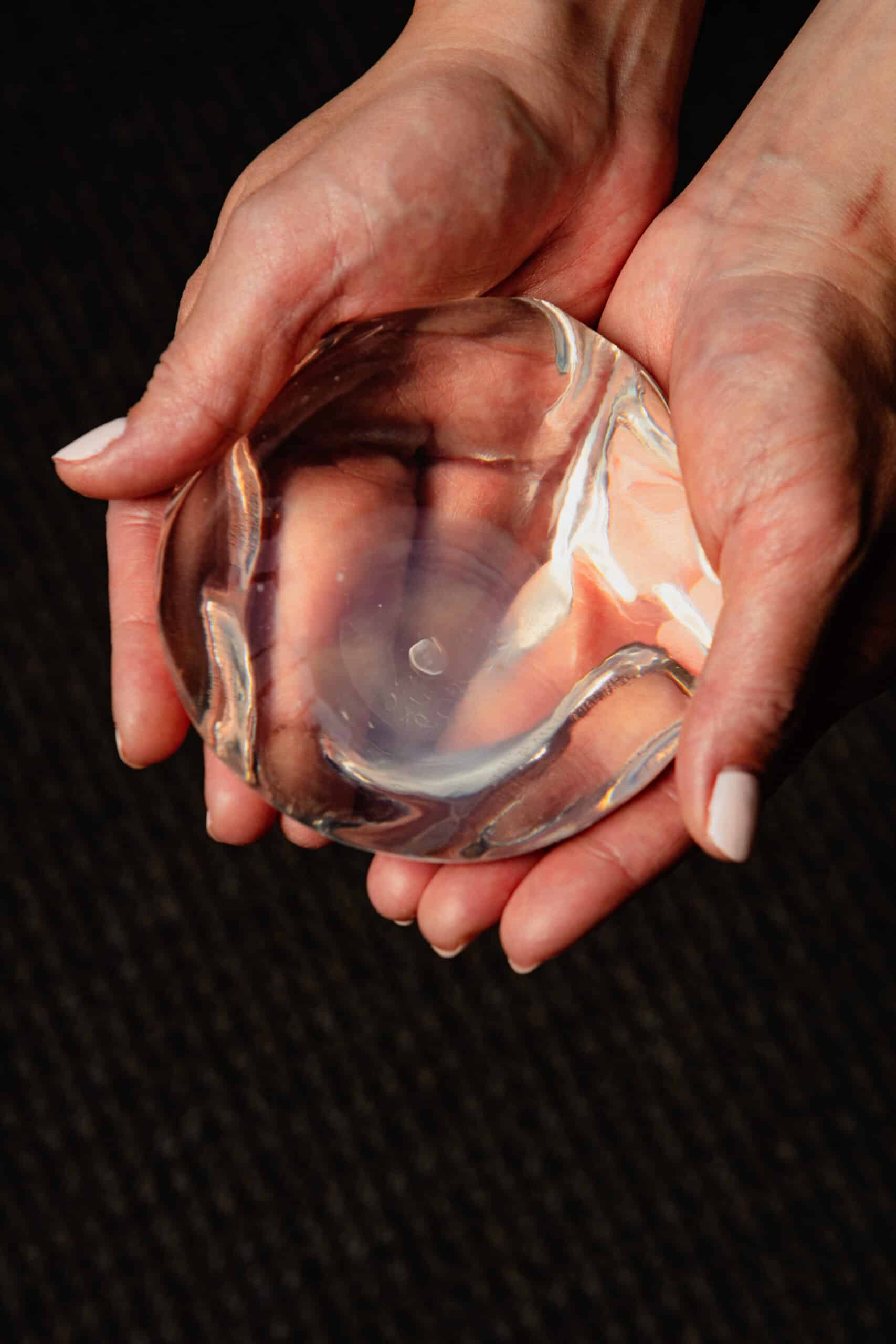
Breast augmentation surgery, often referred to as a “boob job,” is a cosmetic procedure designed to enhance the size, shape, and volume of the breasts. It involves the insertion of breast implants or the transfer of fat to achieve the desired breast appearance, offering individuals the opportunity to pursue their aesthetic aspirations.
Improved Appearance: Breast augmentation can enhance your breast volume and create a more balanced silhouette, addressing physical concerns effectively.
Enhanced Bustline: Breast augmentation can address concerns like sagging or deflated breasts, helping achieve a fuller and more balanced bustline.
Breast Augmentation
Is Breast Augmentation Surgery Right For Me?
Breast augmentation can be achieved through two primary methods: breast implants and fat transfer. Breast implants involve surgically placing saline or silicone implants to enhance breast size and shape. On the other hand, fat transfer involves liposuction to remove excess fat from another area of the body, which is then purified and injected into the breasts for augmentation. The choice between these methods depends on your unique goals and preferences, which we’ll explore during your consultation.
Am I the Ideal candidate?
The ideal candidate for breast augmentation is someone who seeks to enhance their breast size, shape, or volume. It’s a procedure well-suited for those looking to regain a more proportionate figure, or address specific concerns related to breast appearance. During your consultation, we’ll assess your unique needs and discuss whether breast augmentation aligns with your goals.
Breast augmentation can provide significant benefits, but it’s essential to carefully consider your individual needs and expectations. Our consultations are designed to address your concerns, clarify the procedure’s benefits, and discuss potential risks. Ultimately, the decision should align with your goals and priorities, ensuring you embark on this journey fully informed and confident in your choice.
After Breast Surgery
Following breast augmentation, your recovery timeline will vary based on the extent of the procedure and your body’s response. Typically, expect a two-week healing period for surgeries involving muscle or tissue manipulation. Afterwards, you can gradually return to your regular activities and workouts within 6-8 weeks, taking into account individual factors. During this period, wearing a soft, supportive bra without an underwire is recommended to minimise discomfort and promote healing.
Patient Information and Guides
Explore a wealth of informative articles and blogs covering a wide range of surgical topics from our expert medical team.
Frequently Asked
Questions about Breast Augmentation?
A snapshot of the most common inquiries we get that can help kickstart our conversation on your breast augmentation.
How long does breast augmentation surgery typically take?
The procedure usually lasts 1-2 hours.
Can I continue my fitness routine after breast augmentation?
You can return to regular exercise in about 6-8 weeks, depending on the intensity. Some patients can return to light lower body resistance training at 2-3 weeks.
Will I experience changes in nipple sensation after breast augmentation?
Changes in nipple sensation can sometimes occur, depending on the surgical approach.
Can breast implants affect breastfeeding?
Breast implants typically don’t interfere with breastfeeding, but it’s discussed during consultations.
Is breast augmentation suitable for older individuals?
Age is less of a factor than overall health, and consultations determine suitability.
Can I expect my breast implants to last a lifetime?
Breast implants have a lifespan, mainly caused by effects of scar tissue (capsule formation) and gravity effects on tissues, implant and skin. This often necessitates revision surgery after about 7-10 years.
Still have questions?
Can’t find what you’re looking for? Let’s have a chat!
Breast Augmentation Surgery
Start Your First Steps or Get a Second Opinion? We’re here to help.
Schedule a Consultation with Marion Chan and her dedicated team to discuss your Breast Augmentation options and receive personalised guidance.